
UK Energy-Crisis Budget Boosts Safe-Haven Gold & Silver: Real-Rate & Dollar Link
UK's energy-driven budget cuts weaken the pound, lift the dollar and widen real-rate gaps, sparking safe-haven demand for gold and silver.
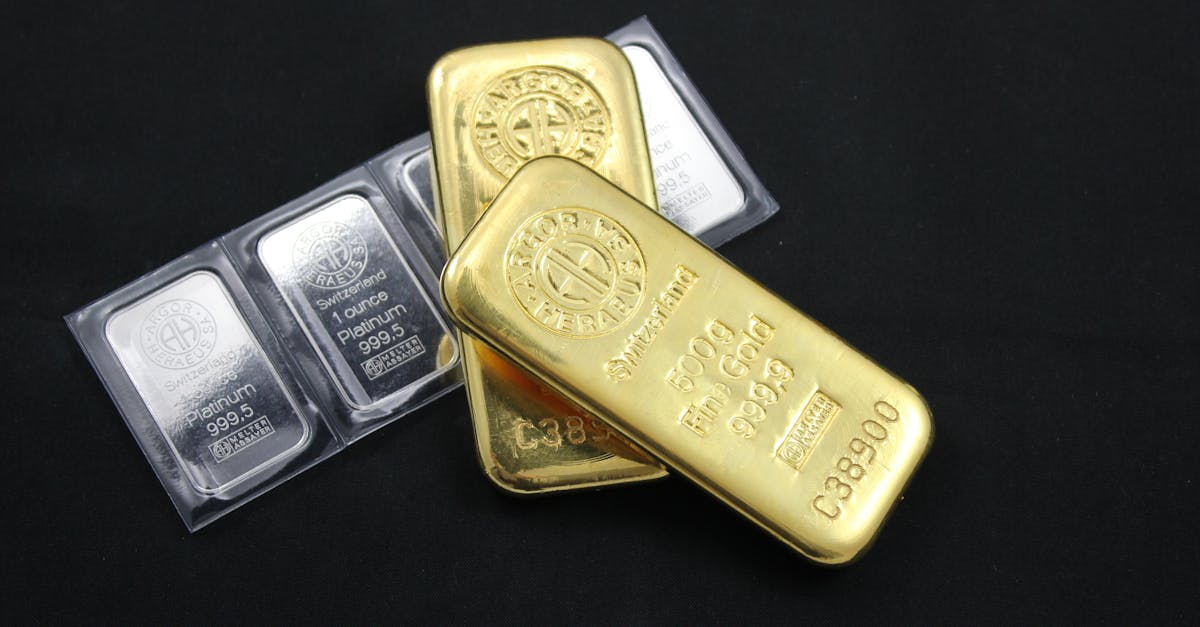
The latest surge in precious metals price drivers comes from an unexpected source, the United Kingdom’s energy-price shock. A combination of soaring utility bills, a delayed defence spend plan and a weakening pound is reshaping demand for gold and silver as investors hunt safe-haven assets.
Gold traded at $4,068 an ounce on 28 October 2026, up 0.6% versus the London afternoon fix, according to GoldPrice.com’s live prices. Silver was $53.96 an ounce, up 0.4%.
Why the UK Energy Crisis Is Shaping Precious-Metals Prices
The UK is currently grappling with an energy-price crisis that has pushed household and business costs to record levels. Higher energy bills squeeze disposable income and force the Treasury to tighten fiscal policy to keep the deficit in check. The extra import cost also weakens the pound, raising headline inflation and prompting traders to view the situation as a catalyst for safe-haven buying.
Budget Decisions: Delayed Defence Spending and Their Currency Effect
Chancellor John Healey’s maiden budget postpones the planned 3-percent-of-GDP defence boost, pushing the decision back to a spending review expected in 2027. The deferral removes a source of fiscal stimulus, deepening expectations of a softer pound and adding a sovereign-risk premium to UK debt. A weaker sterling translates into an immediate rise in the U.S. dollar index as investors shift to the world’s reserve currency.
Source: Oilprice.com
Dollar Strength and Real-Rate Differentials: The Core Driver
The Federal Reserve kept rates steady during its latest meeting, a move explained by Chairman Kevin Warsh as a response to an “information-rich” period ahead. Holding rates steady while inflation expectations remain elevated keeps the dollar on an upward trajectory. Real rates, the nominal rate minus inflation, matter more for metals than headline rates because they reflect the true cost of holding non-yielding assets. A stronger dollar widens the real-rate gap between the U.S. and the UK, creating a premium for gold and silver.
Source: MarketWatch, Fed hold explanation
Real Rates and Gold: How Higher Real Yields Suppress Prices
Historically, gold returns move inversely to real-rate changes. When real yields rise, the opportunity cost of holding gold increases, putting downward pressure on price. The combination of a delayed defence spend, a weaker pound and a firm dollar suggests real rates may stay elevated, which likely drags on gold’s upside in the coming weeks.
Silver’s Sensitivity to Real-Rate Shifts and Inflation Expectations
Silver reacts more sharply to real-rate moves because a portion of its demand comes from industrial users who are sensitive to financing costs. Rising UK inflation expectations broaden the real-rate differential, reinforcing silver’s role as an inflation hedge. Under the same real-rate environment, silver is expected to hold its value better than gold, given its dual industrial and safe-haven appeal.
Safe-Haven Demand Surge: What Traders Should Watch
- ETF inflows: net purchases into SPDR Gold Shares (GLD) and iShares Silver Trust (SLV) serve as a real-time barometer of investor appetite.
- Central-bank buying: bullion purchases can rise when fiscal stress threatens sovereign credit, adding a layer of demand.
- Currency and rate spreads: monitoring the pound-dollar pair and the UK-U.S. real-rate spread helps time entry and exit points.
Practical Takeaways for Investors
- Positioning ideas: a short-term rally in gold is possible if the pound weakens further, but a longer-term downside may emerge if real rates stay high.
- Hedging strategies: consider silver-linked futures or ETFs to capture the higher rate sensitivity of the metal.
- Key indicators: watch UK CPI, the GBP/USD exchange rate, Fed policy minutes and the evolving real-rate differential for clues on the next price move.
The UK energy crunch is more than a domestic issue; it is reshaping the global precious-metals landscape by amplifying dollar strength and real-rate gaps. Investors who keep a close eye on currency moves and real-rate dynamics will be best positioned to navigate the coming volatility in gold and silver markets.