
Gold and Silver Prices Decline Sharply as Short-Term Traders Exit
Gold price forecast 2026: Why gold and silver are falling, how Fed tightening, Fed-funds futures and ECB policy drive the dip, and what investors should do.
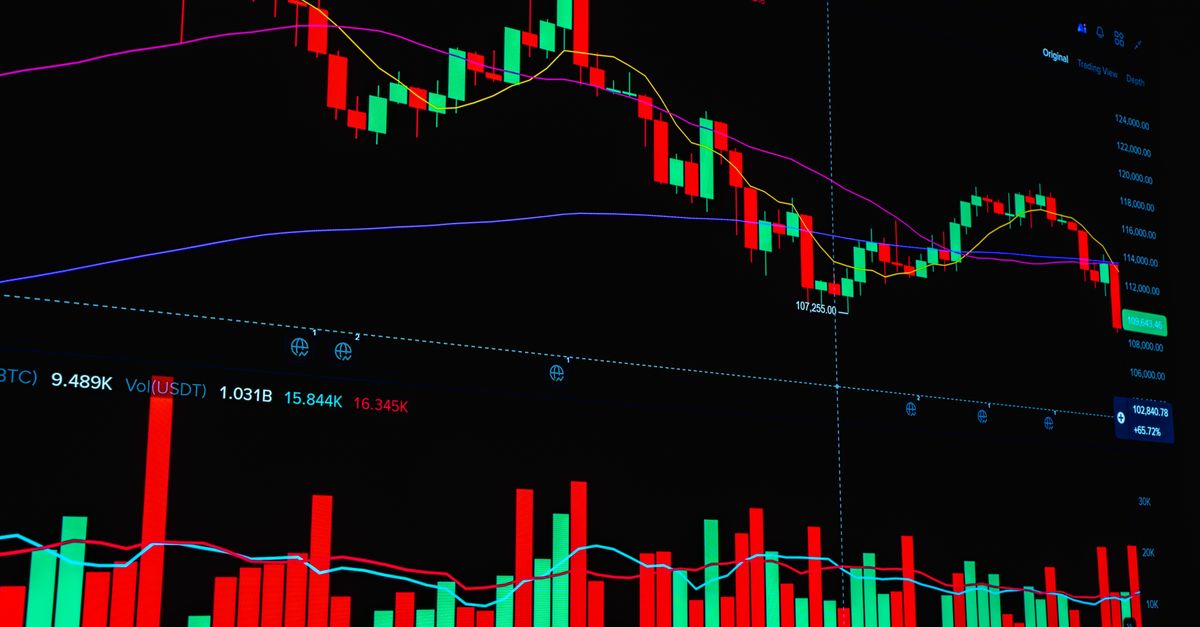
Market Snapshot, Live Prices
Gold traded at $3,996 per ounce on 25 October 2026, down 0.4 % versus the London afternoon fix, according to GoldPrice.com’s live prices. Silver was quoted at $53.92 per ounce, essentially flat versus the fix, on the same day. These spot rates provide the most immediate reference for investors who follow the precious-metal market on a daily basis.
Recent Market Moves, Sharp Weekly Decline
Over the past week, gold posted its biggest weekly loss in more than four months, while silver fell even farther. The headline-moving declines were driven largely by a wave of short-term traders exiting their positions. As these participants liquidated holdings, market depth thinned and price pressure accelerated, producing the pronounced slide seen in the spot market.
The episode illustrates how quickly sentiment can turn in a market that is often viewed through a longer-term lens. When short-term participants retreat, the remaining buying pressure is typically supplied by investors with a longer horizon, which can soften the fall but does not erase the immediate impact on price.
What the Drop Means for Investors, Portfolio Implications
Short-Term Risk Management
Short-term traders are generally focused on capturing price swings over days or weeks. When a metal experiences a rapid decline, these traders may trim exposure to protect capital, especially if the size of the position no longer matches their risk tolerance. For investors who share this time frame, the recent pull-back serves as a reminder to reassess stop-loss levels and to consider whether the current exposure aligns with their short-term risk parameters.
Long-Term Hedge Role
Gold and silver have long been used as stores of value and diversifiers against inflation and currency risk. The recent decline does not alter the fundamental characteristics that make these metals attractive for a core allocation. Maintaining a baseline exposure can preserve the diversification benefits that metal holdings provide, especially when equity markets become more volatile.
Relative Position Within the Precious-Metal Spectrum
The price movement of gold and silver often shadows broader market dynamics, but other precious metals such as platinum and palladium can behave differently because their demand is more closely linked to industrial activity. A portfolio that balances several precious-metal assets may achieve a smoother overall performance, as the metals do not move in lockstep under all conditions.
Plain-Language Definitions
-
Real interest rate: The nominal interest rate adjusted for inflation. When the real rate rises, the opportunity cost of holding non-interest-bearing assets like gold increases, which can weigh on metal prices.
-
ETF outflow: An exchange-traded fund (ETF) holds a basket of assets, and an outflow occurs when investors redeem shares, forcing the fund to sell the underlying assets. Large outflows from a gold or silver ETF can depress spot prices because the fund’s selling adds supply to the market.
-
Short-term trader: An investor who seeks to profit from price moves that unfold over a brief period, often using technical analysis and tight risk controls. This group typically does not hold positions for the long-term inflation-hedge rationale that many gold investors value.
-
London afternoon fix: A benchmark price for precious metals that is calculated twice each day based on a short window of trade data. The fix is used worldwide as a reference point for contracts, pricing, and valuation.
What to Watch Next
Investors should keep an eye on several strands of market information that can influence the next direction of gold and silver.
-
Central-bank policy signals: Statements or actions from major central banks regarding interest rates and monetary stance can shift the real interest-rate environment, which in turn affects the attractiveness of non-yielding assets.
-
Inflation data releases: Reports that show the pace of price growth in the broader economy can sway expectations about future monetary policy and real rates, thereby influencing metal demand.
-
Equity market momentum: A sustained rally in major stock indexes can draw capital away from safe-haven assets, while a sharp correction may prompt a flight back into gold and silver.
-
ETF flow reports: Weekly data on inflows and outflows from gold and silver ETFs can provide a clue about the balance between net buying and net selling pressure from retail and institutional investors.
-
Industrial demand trends for silver: Because a portion of silver’s usage is tied to technology and solar applications, any news of expanding or contracting industrial demand can affect its price trajectory.
Monitoring these factors will help investors gauge whether the current pull-back is a short-lived technical correction or the beginning of a more extended trend.
What We Don’t Know Yet
-
Depth of short-term trader exit: While the recent price moves suggest a sizable exit, the precise scale of liquidations and the identity of the participants remain unclear. Understanding the magnitude would help assess whether the market has fully priced in the shift.
-
Future ETF flow direction: Current data indicate outflows, but the trajectory of future ETF flows depends on investor sentiment, which can change rapidly in response to macro events. The timing and size of any subsequent inflows or outflows are still uncertain.
-
Impact of upcoming macro releases: The next set of inflation and employment reports could either reinforce the bearish tilt or provide a catalyst for a rebound. The exact effect of these releases on metal prices cannot be forecast with confidence.
-
Industrial demand trajectory for silver: While industrial applications are a known driver, the pace of adoption for new technologies that use silver is still evolving. Future demand levels will influence silver’s price independently of financial-market sentiment.
-
Potential policy shifts: Any surprise adjustments in monetary policy, especially from the major central banks, could alter the real-rate landscape dramatically. The likelihood and timing of such moves remain unknown.
Action Checklist for Investors
- Track weekly price ranges: Identify the high and low points each week to spot possible entry or exit zones.
- Re-evaluate position sizing: Compare your current exposure to your risk tolerance, especially after a sharp move.
- Set clear stop-loss thresholds: Decide in advance the price level at which you will exit a trade to avoid emotional decisions.
- Define re-entry criteria: Establish what market signals or technical patterns would justify adding to a position after a pull-back.
- Diversify across the precious-metal suite: Consider allocating a portion of your metal exposure to platinum or palladium to smooth volatility.
- Stay informed on macro releases: Follow news on interest-rate guidance, inflation reports, and equity market performance, as they can quickly reshape the metal landscape.
By blending disciplined risk management with an appreciation for the long-term role that gold and silver play in a diversified portfolio, investors can navigate short-term turbulence while preserving the hedge benefits that have made these metals a cornerstone of wealth protection.
For a deeper dive into the recent market moves, see the analysis by Gold Eagle.