
From Bangkok to Bullion: How US-China Banking Tensions Could Fuel a Gold Rally
Explore how US Treasury pressure on Mastercard and Citigroup in China tightens finance, lifts real rates, boosts dollar strength, and drives gold ETF inflows for investors.
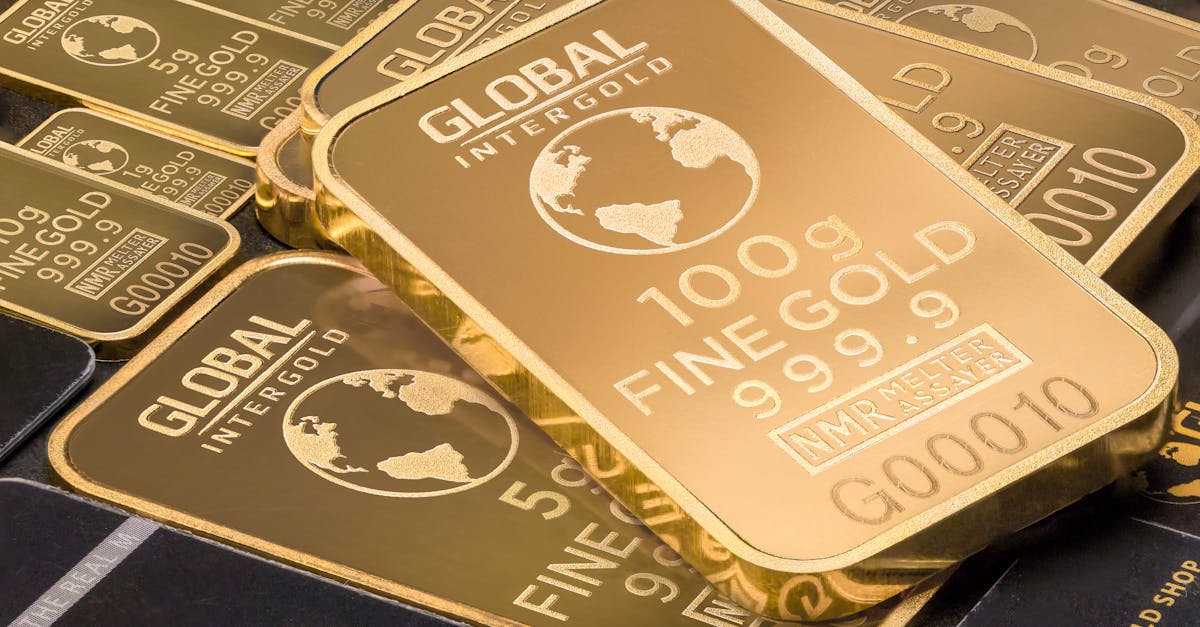
Gold price impact US-China tensions is becoming a headline theme as diplomatic friction resurfaces in the financial sector. Investors are watching how policy moves translate into safe-haven demand.
Gold traded at $4,164 an ounce on 16 October 2026, down 0.6 % against the London afternoon fix, according to GoldPrice.com’s live prices.
US-China Financial Friction in Bangkok
During a series of bilateral meetings in Bangkok, U.S. Treasury officials raised concerns about Chinese market access for two major U.S. financial firms: Mastercard and Citigroup. The request, reported by CNBC, reflects a broader U.S. effort to secure more open conditions for U.S. payment networks and banks operating in China.
The issue is not merely a diplomatic footnote; it signals the possibility of tighter cross-border capital flows, higher compliance costs, and a tilt toward protectionist measures. For precious-metals investors, the relevance lies in the way heightened geopolitical risk often pushes assets such as gold and silver into the spotlight as stores of value. When the financial system appears vulnerable, investors typically allocate a larger portion of their portfolios to assets that are not tied to any single sovereign debt or banking network.
Source: CNBC Finance
Oil Prices at a Stagnant Plateau
Oil markets have been hovering around the $105 per barrel level for Brent crude, according to OilPrice. The price stability comes amid a series of Iranian tanker attacks, ongoing disputes in the Strait of Hormuz, and other geopolitical flashpoints that keep the market on edge. Although the article focuses on oil, the broader risk environment tends to spill over into other commodities, including precious metals.
Oil’s influence on precious metals is two-fold. First, higher energy costs can feed into inflation, which in turn raises the appeal of gold as an inflation hedge. Second, oil-related risk can weaken riskier assets like equities, prompting a rotation toward safe-haven assets. The current oil price equilibrium therefore adds another layer of uncertainty that could reinforce demand for gold and silver.
Source: OilPrice
Recent US Inflation Readings
Zero Hedge highlighted that the latest U.S. consumer-price index (CPI) came in line with expectations, while the core CPI, which excludes food and energy, showed a modest acceleration. Producer-price inflation (PPI) rose 1.3 % month-over-month, a sharper increase than analysts had forecast. Retail sales grew 0.8 % month-over-month, but the underlying figure, which strips out automobile and gasoline sales, rose only 0.1 %.
These data points suggest that inflationary pressure remains concentrated in the energy sector. If producers cannot fully pass higher energy costs onto consumers, corporate profit margins may be squeezed, potentially dampening equity market performance and further supporting a shift toward gold and silver.
Source: Zero Hedge
Why the Precious-Metals Market Is Sensitive
Safe-haven Perception
Gold and silver have long been regarded as stores of value during periods of political or economic turbulence. The combination of U.S.-China financial friction, volatile oil markets, and mixed inflation data creates a risk-on/risk-off environment where investors may look for assets that are less tied to any single currency or sovereign debt.
Real-Interest-Rate Dynamics
A real interest rate is the nominal interest rate adjusted for inflation. When real rates are low or negative, the opportunity cost of holding a non-yielding asset such as gold diminishes, making gold comparatively more attractive. Conversely, higher real rates increase the appeal of interest-bearing assets and can pressure gold lower. The current mix of inflation data and expectations about future monetary policy will shape real-rate outlooks.
Currency Influence
The U.S. dollar and gold typically move in opposite directions. A weaker dollar reduces the price of gold in other currencies, often boosting demand, while a stronger dollar can exert downward pressure. Monitoring the dollar index can therefore provide an early signal of potential gold price moves.
Commodity Correlation
Gold’s relationship with other commodities, especially oil, is complex. Rising oil prices can spur inflation expectations, which may lift gold; however, large oil-related cash flows can also stimulate equity market optimism, potentially diverting capital away from gold. The present oil price stability adds an extra variable for analysts to track.
What to Watch Next
- Further Developments in Bangkok: Any new statements from U.S. Treasury or Chinese regulators that clarify the scope of market-access negotiations could shift risk perceptions quickly.
- U.S. Economic Releases: Upcoming reports on CPI, core CPI, and PPI will help pinpoint whether inflation pressures remain energy-centric or begin to broaden.
- Federal Reserve Policy Signals: Statements about future interest-rate pathways will influence real-rate expectations and, by extension, gold demand.
- Oil-Market Events: Changes in the frequency or severity of Iranian tanker attacks, or any major supply disruptions, could move oil prices out of the current range, feeding back into precious-metal sentiment.
- Currency Movements: Shifts in the dollar index, especially those driven by fiscal or monetary policy, should be monitored for early gold-price cues.
What We Don’t Know Yet
- Resolution Timeline: The pace at which U.S. and Chinese officials may reach an agreement on market access for Mastercard and Citigroup remains unclear. A rapid resolution could reduce geopolitical tension, while a prolonged stalemate might sustain heightened risk-aversion.
- Depth of Market Impact: It is uncertain how much tighter financial ties, if any, will affect global capital flows and whether those effects will be sufficient to trigger a noticeable change in gold demand.
- Future Energy Inflation: While current data points to energy-driven inflation, we do not yet know whether broader price pressures will emerge in other sectors, which could alter the balance between safe-haven and growth assets.
- Central-Bank Gold Purchases: Any upcoming decisions by major central banks to increase or decrease gold reserves are not disclosed, leaving a gap in supply-side expectations.
Practical Checklist for Investors
- Track Diplomatic Signals: Keep an eye on statements from U.S. Treasury and Chinese financial regulators regarding market-access negotiations.
- Monitor Inflation Data: Focus on CPI, core CPI, and PPI releases to gauge the trajectory of price pressures.
- Watch Real-Rate Outlooks: Pay attention to Federal Reserve communications that affect expectations for real interest rates.
- Follow Oil Volatility: Any abrupt changes in oil price levels or supply-chain disruptions could influence precious-metal sentiment.
- Observe Dollar Trends: A weakening dollar often precedes gold rallies; a strengthening dollar may signal caution.
Closing Thoughts
The confluence of U.S., China banking talks, a steady yet uneasy oil market, and mixed inflation readings creates an environment where gold and silver remain attractive to investors seeking diversification and protection. While the exact magnitude of any gold rally cannot be forecast with certainty, the factors outlined above provide a framework for watching the market’s next moves.