
Europe’s Oil Refinery Closures and Their Potential Impact on Metal Markets
Discover how Europe's refinery closures tighten oil supply, spark inflation, push rate hikes and reshape real rates, driving gold and silver market moves.
Introduction
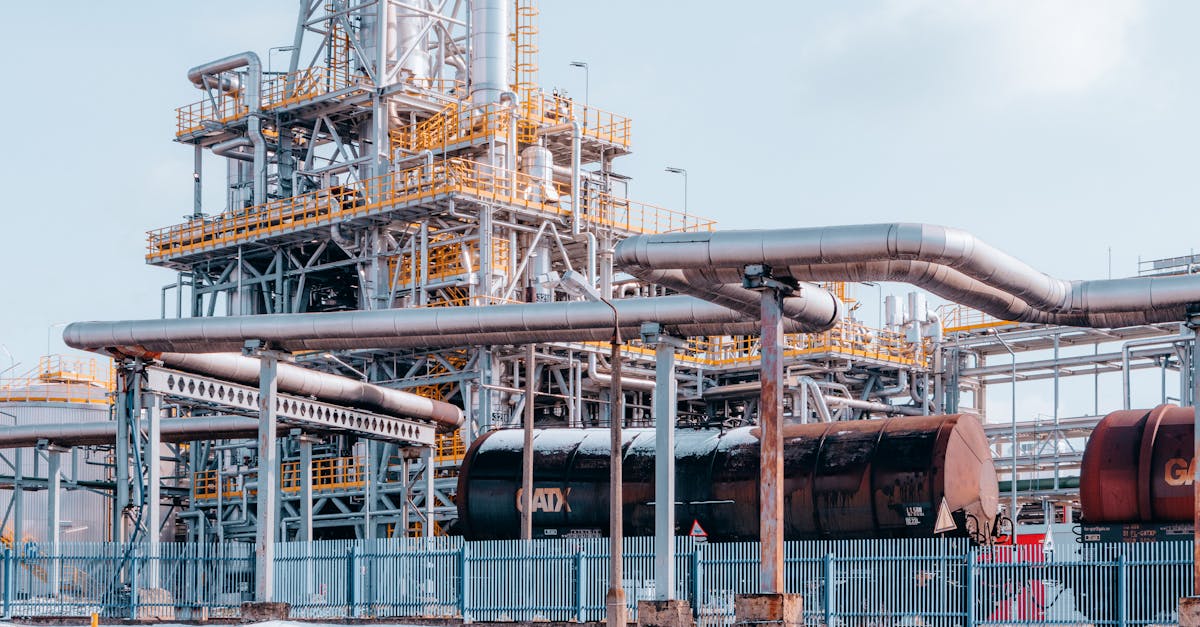
Europe’s long-term push toward climate neutrality has led to a steady reduction in domestic oil-refining capacity. Over the past two decades the bloc has shut down roughly a quarter of its refineries, a move that has increased reliance on imported fuels and created new geopolitical and economic sensitivities. For investors in precious metals, the shift matters because energy policy can influence inflation expectations, currency dynamics and the broader risk sentiment that often drives demand for gold and silver.
Gold traded at $3,876 per ounce on 1 November 2026, down 1.0 % versus the London afternoon fix, according to GoldPrice.com’s live prices.
Silver traded at $49.13 per ounce, down 1.9 % versus the London afternoon fix.
Platinum and palladium were also quoted, showing modest gains against the London fix.
How Europe’s Refinery Landscape Has Evolved
The European Union adopted some of the world’s most ambitious clean-energy policies, aiming to become the first climate-neutral continent. Those policies have encouraged the retirement of older, higher-emission refineries and have supported a rapid expansion of renewable power. The result is that a sizeable share of the continent’s power mix now comes from wind, solar and other renewable sources.
The reduction in refining capacity, however, has not been matched by an equivalent rise in domestic crude processing. Instead, the region has become more dependent on imported fuels. Recent reports note that the latest energy strain added over €100 billion to Europe’s import bill, prompting Brussels to reassess earlier decisions that favoured rapid closures. The European Commission is now weighing measures to protect the remaining refining assets, seeking a balance among energy security, military readiness, industrial competitiveness and climate objectives.
Why Energy Policy Touches Precious-Metal Markets
Inflation expectations
Energy prices are a key component of headline inflation. When fuel costs rise, they push up the cost of transportation, manufacturing and everyday goods. Higher inflation expectations often lead investors to seek assets that preserve purchasing power, and gold has historically been viewed as an effective hedge. A renewed focus on energy security in Europe could lift inflation worries in global markets, thereby supporting gold demand.
Currency movements
Changes in trade balances affect the strength of national currencies. Europe’s increased import bill can exert downward pressure on the euro relative to the U.S. dollar. Because gold and silver are priced in dollars, a weaker euro typically makes those metals more expensive in euro terms, which can boost European buying. Conversely, a stronger dollar often puts downward pressure on metal prices in dollar terms.
Market sentiment and safe-haven demand
The perception of systemic risk, whether from geopolitical supply disruptions, policy reversals or sudden energy price spikes, can shift investor sentiment toward assets perceived as safe. Gold and silver are the classic safe-haven choices, and heightened attention to European energy security may translate into greater demand for those metals, even if price movements are not immediate.
Key Terms Explained
-
Real interest rate: the nominal interest rate adjusted for inflation. When real rates are low or negative, the opportunity cost of holding non-interest-bearing assets like gold falls, making them more attractive.
-
ETF outflow: a net withdrawal of investor money from an exchange-traded fund. In the context of precious metals, an outflow from a gold-ETF can signal reduced demand for the metal, while an inflow suggests the opposite.
-
Refinery phase-down: the deliberate reduction of a region’s oil-refining capacity, usually through plant closures or conversion to other uses.
-
Energy security: the ability of a country or region to obtain reliable, affordable energy supplies without excessive reliance on external sources that could be disrupted for political or other reasons.
What to Watch Next
Investors should keep an eye on several developing factors that could shape the interaction between Europe’s energy policy and metal markets:
-
EU policy announcements regarding protection of remaining refineries, including any subsidies, strategic reserves or regulatory adjustments.
-
Import data for crude oil and refined products, which can indicate how quickly Europe is shifting its supply chains and whether the import bill continues to grow.
-
Energy price indices, especially for crude oil, gasoline and diesel, as these feed directly into inflation calculations and indirectly affect metal valuations.
-
Broad inflation measures that incorporate energy components, offering a gauge of whether price pressures are rising enough to lift safe-haven demand.
-
Movements in the U.S. dollar index, given the inverse relationship between the dollar and metal prices.
-
Spot prices for gold, silver, platinum and palladium, to track whether any of the macro-economic signals are already being priced in.
What We Don’t Know Yet
While the available information outlines the broad contours of the issue, several uncertainties remain:
-
The precise timeline for any EU protective measures, and how extensive those measures will be.
-
The extent to which alternative energy sources can offset the loss of domestic refining capacity without further increasing import costs.
-
How other major energy-importing regions may respond to similar pressures, and whether a coordinated response could emerge that would alter global fuel markets.
-
The degree to which investors will translate concerns about European energy security into actual buying or selling of precious metals, versus simply adjusting other parts of their portfolios.
-
Potential feedback loops between metal market movements and currency or inflation expectations, especially if metal price volatility itself begins to influence policy discussions.
Practical Steps for Investors
-
Monitor official EU communications on refinery policy and energy security; these releases often provide the earliest clues about policy shifts.
-
Track monthly import statistics for crude oil and refined fuels; a sudden jump can signal heightened exposure to external supply shocks.
-
Follow core inflation releases, paying particular attention to the energy sub-index, to gauge whether price pressures are building.
-
Watch the U.S. dollar index, especially when it moves sharply, as it can quickly alter the dollar-denominated price of gold and silver.
-
Review precious-metal ETF flows on a regular basis; large outflows or inflows may precede broader market moves.
-
Keep an eye on related commodity markets, such as oil and natural gas, since they often move in tandem with the factors that drive metal prices.
Conclusion
Europe’s ongoing refinery phase-down reflects a deep commitment to climate goals but also creates new dependencies on imported energy. The resulting pressure on the region’s trade balance, inflation outlook and risk sentiment can influence the demand dynamics for gold, silver and other precious metals. By staying alert to EU policy developments, import trends, energy price movements and broader macro-economic indicators, investors can better assess how this energy transition might intersect with metal markets.
Source: ZeroHedge, Europe Is Now Seriously Rethinking Its Oil Refinery Phase-Down